- Home
- About us
- Students
- Courses
- Research
- Library
- News & Events
- Gallery
- Contact
- Our Blog
Latest News

Phronema Volume 24, 2009
Phronema Volume 24, 2009
Editor, Assoc. Prof. James A. Athanasou
For Purchase, click here
| Contents | |
| The Undermining of the Synodal Institution, Archbishop Stylianos (Harkianakis) | 1 |
|
What to Jettison Before You Go Sailing (to Byzantium), Ken Parry |
19 |
| Byzantine Insights into Genesis 1-3: St Andrew of Crete's Great Canon, Doru Costache | 35 |
| Orthodoxia as Orthopraxia According to Saint Epiphanius of Salamis, Stavros S. Fotiou | 51 |
| An Analysis of Two Orthodox Icons: Rublyev's Nativity of Christ and Ritzos' Dormition of the Theotokos, George Tsikritsakis | 65 |
| Book Reviews | 83 |
| College News | 97 |
| Interviews | 104 |
| Research and Professional Activities | 109 |
| Cumulative Contents | 132 |
| List of Reviewers | 133 |
| Information for Authors | 14 |

Enrolments Now Open!
.jpg)
Study at St Andrew's

Subject Areas on Offer
Gallery
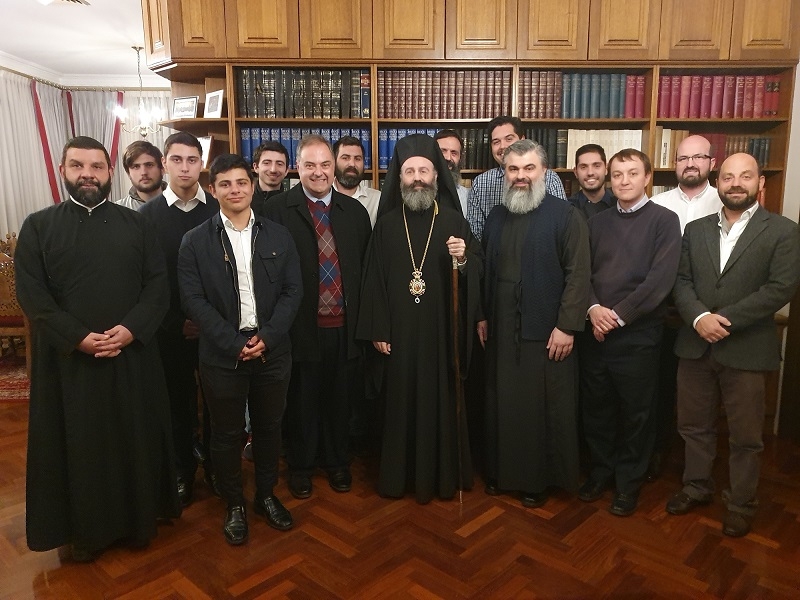
The Library

The library was established with the opening of St Andrew's in... see more
Useful links
Subscribe to our Blog!
Subscribe to our blog written by our Faculty and learn more about your Orthodox Christian faith
Connect With Us
|
|
|
|
Join Our |


.png)
Copyright © 2019 St Andrew's Greek Orthodox Theological College.
All Rights Reserved. | Website Terms & Conditions