- Home
- About us
- Students
- Courses
- Research
- Library
- News & Events
- Gallery
- Contact
- Our Blog
Latest News

Phronema Volume 25, 2010: Monograph Issue
Phronema Volume 25, 2010: Monograph Issue
Proceedings of St Andrew's Patristic Symposium 2009 - St Basil the Great, History, Theology and Perennial Significance
Guest Editors, Revd Dr Doru Costache and Dr Philip Kariatlis
| Contents | |
| An Introductory Note, Archbishop Stylianos (Harkianakis) | 1 |
|
Why Didn't St Basil Write in New Testament Greek?, John A.L. Lee |
3 |
| Christian Worldview: Understandings from St Basil the Great, Doru Costache | 21 |
| St Basil's Trinitarian Doctrine: A Harmonious Synthesis of Greek Paideia and the Scriptural Worldview, Philip Kariatlis | 57 |
| St Basil's Eschatological Vision: Aspects of the Recapitulation of History and the Eighth Day, Mario Baghos | 85 |
| Cumulative Contents | 142 |
Enrolments Now Open!
.jpg)
Study at St Andrew's

Subject Areas on Offer
Gallery
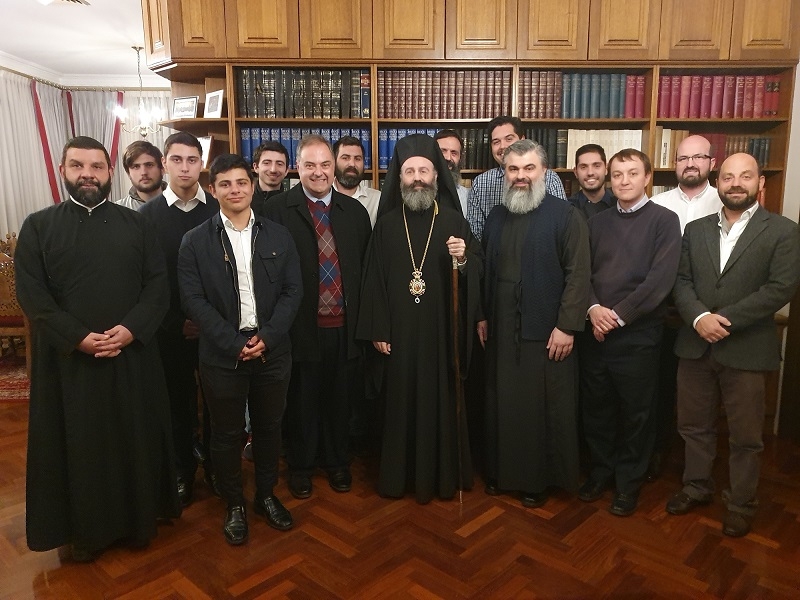
The Library

The library was established with the opening of St Andrew's in... see more
Subscribe to our Blog!
Subscribe to our blog written by our Faculty and learn more about your Orthodox Christian faith
Connect With Us
|
|
|
|
Join Our |


.png)
Copyright © 2019 St Andrew's Greek Orthodox Theological College.
All Rights Reserved. | Website Terms & Conditions