- Home
- About us
- Students
- Courses
- Research
- Library
- News & Events
- Gallery
- Contact
- Our Blog
Latest News

Phronema Volume 6, 1991
Phronema Volume 6, 1991
Editor, Dr Guy Freeland
For Purchase, click here
| Contents | |
| Editorial | 2 |
|
Nature and Grace in the Liturgical Context of Orthodoxy, Archbishop Stylianos (Harkianakis) |
5 |
| The Semantics of "Image" and "Idolatry" in the Byzantine Iconoclastic Controversy, Bradley Nassif | 21 |
| Church and State in Byzantium, John Chryssavgis | 27 |
| The Liberation of Christian Education, John L. Boojamra | 39 |
| Popular Biography as Personal Hagiography: The Religious Study of Lives, Richard A. Hutch | 51 |
| Reports | 67 |
| Book Reviews | 69 |
| The College | 71 |
| Our Contributors | 77 |

Enrolments Now Open!
.jpg)
Study at St Andrew's

Subject Areas on Offer
Gallery
The Library
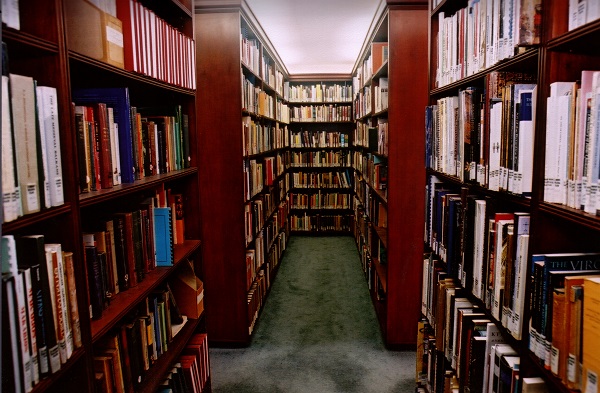
The library was established with the opening of St Andrew's in... see more
Useful links
Subscribe to our Blog!
Subscribe to our blog written by our Faculty and learn more about your Orthodox Christian faith
Connect With Us
|
|
|
|
Join Our |


.png)
Copyright © 2019 St Andrew's Greek Orthodox Theological College.
All Rights Reserved. | Website Terms & Conditions