- Home
- About us
- Students
- Courses
- Research
- Library
- News & Events
- Gallery
- Contact
- Our Blog
Latest News

Public Lecture
Jun 06, 2024
admin
Public Lecture
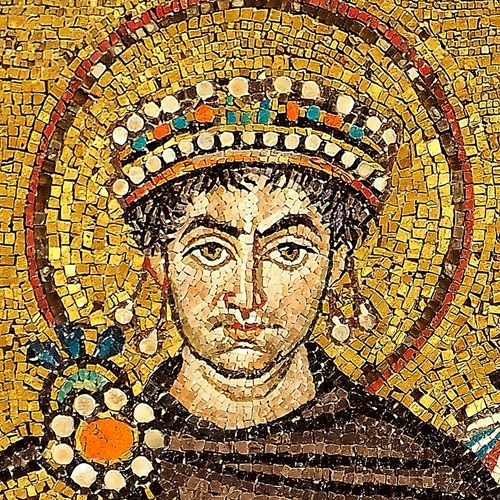 On Thursday, 6 June 2024, Fr Anastasios Bozikis, Associate Lecturer in Church history delivered a talk to the Fellowship Group of St Nectarios Church in Burwood on ‘Justinian: Emperor and Saint.’ It traced the extraordinary career of this sixth century Byzantine ruler and his wife, the Empress St Theodora. Remembered most notably as the builder of the Cathedral of Hagia Sophia, Justinian was also a talented theologian and legal reformer. He reconquered North Africa and Italy for the Roman Empire and sought to restore unity to the Church through dialogue with the Non-Chalcedonians. In 553AD he convened the Fifth Ecumenical Synod in Constantinople to condemn the heresies of Origenism and the vestiges of Nestorianism.

Enrolments Now Open!
.jpg)
Study at St Andrew's

Subject Areas on Offer
Gallery
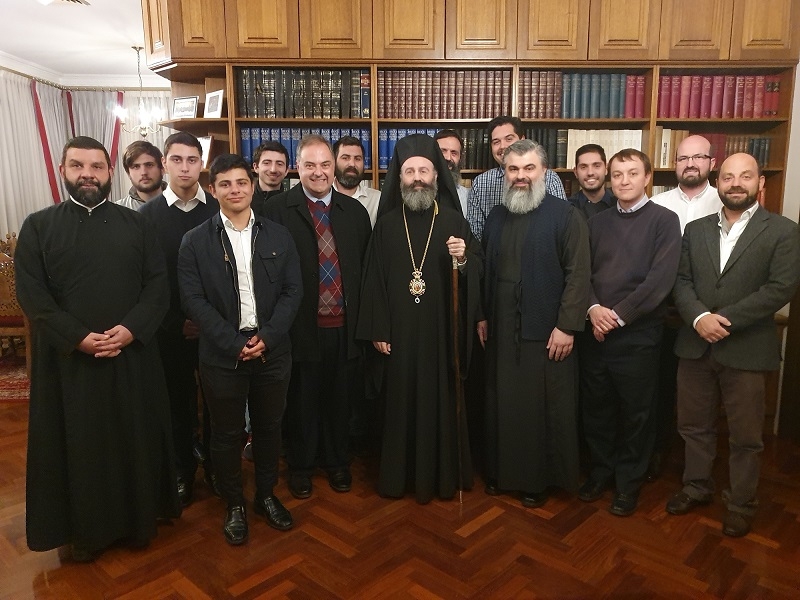
The Library

The library was established with the opening of St Andrew's in... see more
Useful links
Subscribe to our Blog!
Subscribe to our blog written by our Faculty and learn more about your Orthodox Christian faith
Connect With Us
|
|
|
|
Join Our |


.png)
Copyright © 2019 St Andrew's Greek Orthodox Theological College.
All Rights Reserved. | Website Terms & Conditions