- Home
- About us
- Students
- Courses
- Research
- Library
- News & Events
- Gallery
- Contact
- Our Blog
Latest News

Phronema Volume 10, 1995
Phronema Volume 10, 1995
Editor, Assoc. Prof. James A. Athanasou
For Purchase, click here
| Contents | |
| Editorial | 2 |
|
The "Positives" and "Negatives" of Orthodoxy in the New World, Archbishop Stylianos (Harkianakis) |
5 |
| The Golden Chain of Byzantinism: The Tripartite Ecclesiastical Histories of Socrates, Sozomen and Theodoret. Part II: From Jovian to Theodosius II, Garry Trompf | 23 |
| Titus Burckhardt's Thesis Revisited: The Divine Sophia and the Rebirth of Christian Art, Lawrence Cross | 39 |
| Is Religious Discourse Meaningful? Peter J. Juriss | 47 |
| Comment | 49 |
| Book Reviews | 61 |
| The College | 64 |
| Cumulative Contents | 65 |
| Our Contributors | 67 |
Enrolments Now Open!
.jpg)
Study at St Andrew's

Subject Areas on Offer
Gallery
The Library
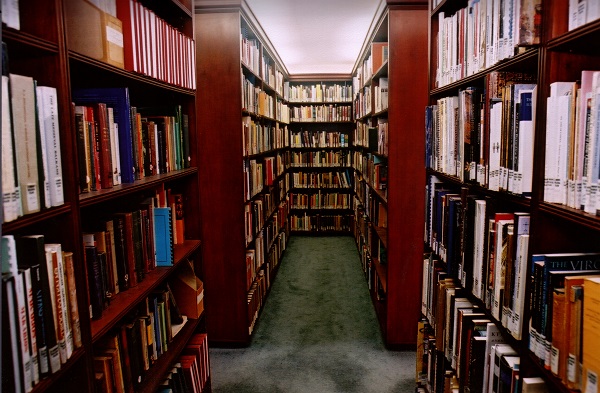
The library was established with the opening of St Andrew's in... see more
Useful links
Subscribe to our Blog!
Subscribe to our blog written by our Faculty and learn more about your Orthodox Christian faith
Connect With Us
|
|
|
|
Join Our |


.png)
Copyright © 2019 St Andrew's Greek Orthodox Theological College.
All Rights Reserved. | Website Terms & Conditions