By Dr Andrew Mellas (Senior Lecturer in Church History and Liturgical Studies)
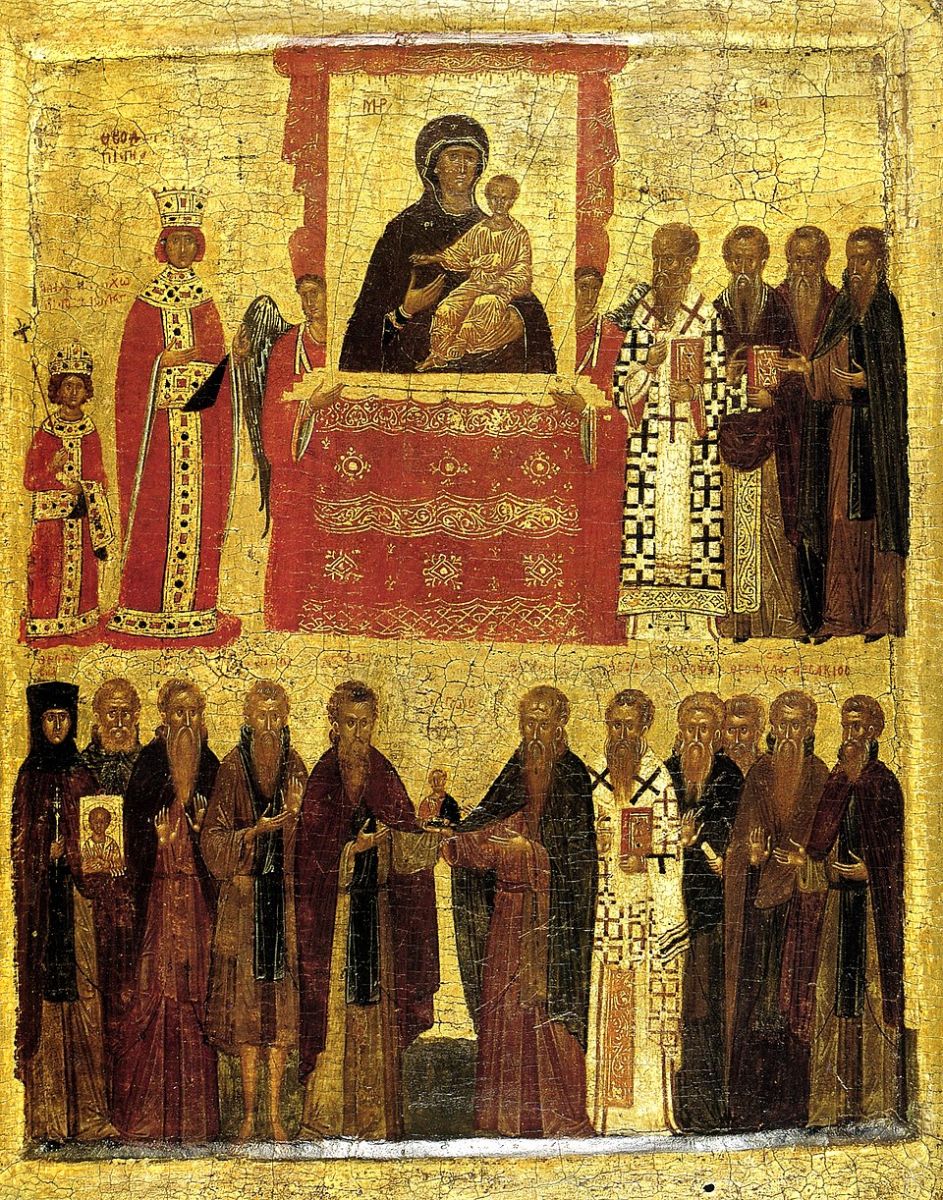
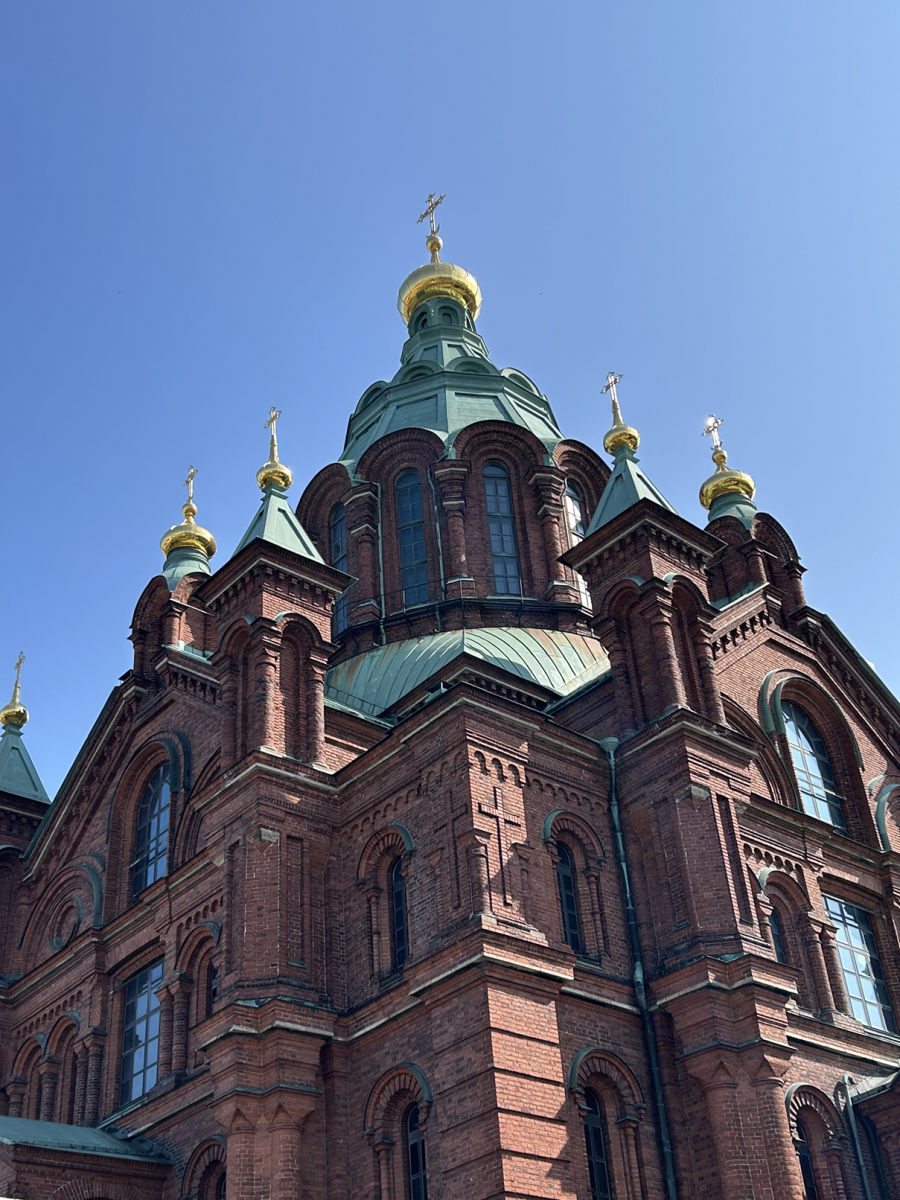
Sadly, in recent times, what is often presented as historical scholarship is, in truth, a fanciful attempt to conceal political motivations that masquerade as erudite explorations of church history. In this jungle of hypocrisy, or perhaps simplistic ignorance, the scholar misunderstands and misrepresents the significant difference between ecclesiastical autonomy and autocephaly in the Orthodox Church, defends blatant violations of international law, such as Russia’s invasion of Ukraine, and confuses Finland with the Baltic states. However, such distinctions are rendered nugatory in the scholar’s quest to paint a sordid scene of religious exploitation that supposedly seeks to foment Russophobia...
By Peter Bourbous (alumnus of St Andrew’s Theological College – Class of 1995)
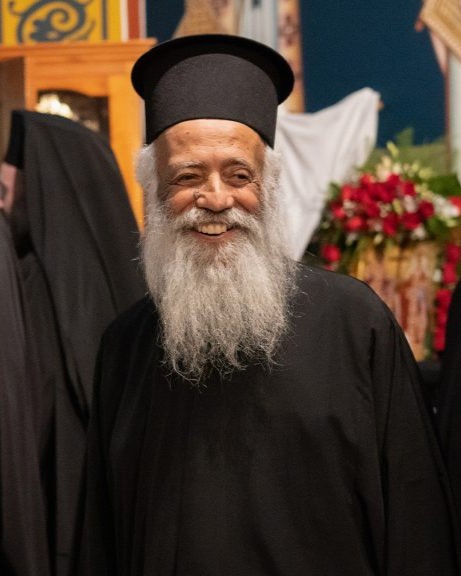
It has now been just over six months since the repose in the Lord of Father Nektarios Zorbalas of blessed memory (Priest of the Holy Parish of Saints Constantine and Helen in Newtown, NSW). For many within the wider ecclesial community—and in a particular way for the alumni of St Andrew’s Theological College—Father Nektarios remains deeply inscribed in memory, affection, and gratitude...
It is with great joy and satisfaction that St Andrew’s Greek Orthodox Theological College announces a landmark academic initiative: the introduction of a new postgraduate program, the Master of Greek Philosophy, to commence in the 2026 Academic Year. This is a historic development for both the Theological College and the broader academic landscape of Australia, highlighting the enduring contribution of Greek philosophical thought to theology, culture, and the formation of the human person.
The official launch of the Master of Greek Philosophy will take place on Sunday, 18 January 2026, at 7:30pm, in the Hall of St Andrew’s Greek Orthodox Theological College...
By Associate Professor Philip Kariatlis (Sub-Dean)
The great Feast of the Nativity celebrates the birth according to the flesh of our Lord and Saviour Jesus Christ, the pre-eternal and timeless Son of God in the lowly town of Bethlehem of Judaea. It is a sacred time of the year during which opportunity is given for offering glory and thanksgiving to God our heavenly and almighty Father for the immeasurable depth of His boundless love revealed in the sending of “His only begotten Son into the world that we might live through Him” (1 John 4:9). Essentially, the feast proclaims ‘the good news’ that the pre-eternal Word became like us in every respect—yet without sin (cf. Heb 4:15)...
By Associate Professor Philip Kariatlis (Sub-Dean)
This coming Sunday, the Church will read the parable of Lazarus and the rich man (Lk 16:19-31). Right from the outset it has to be said that even though this story is exclusive to St Luke's Gospel, it in fact constitutes one of the most important parables within the corpus of the New Testament writings, since it summarises in a very powerful and most striking way the very essence of the Christian message. Unlike many commentators of this parable who usually like to interpret it in terms of Jesus condemning riches as such, its primary purpose, as we shall now see, was in fact to remind the listeners of the time of the importance...