- Home
- About us
- Students
- Courses
- Research
- Library
- News & Events
- Gallery
- Contact
- Our Blog
Latest News

Phronema Volume 38:2, 2023
Phronema Volume 38:2, 2023
Editor, Prof. Angelo Karantonis
Link for International Purchase
|
Contents |
|
| Editorial | vii |
| The Mystagogical Nature of Theological Education, Philip Kariatlis | 1 |
| Fruitful Polycarp: Imagery and Symbolism in The Martyrdom of Polycarp, Christopher Lockwood and Photius Corey Zelinski | 23 |
| The Meta-Ecclesiology of Fr Cyril Hovorun, Adam Wesselinoff | 45 |
| The Distinction of Sexes and the Divine Image, Karim Guirguis | 79 |
| Book Review | 103 |
| Contributors | 107 |
| Chronicle of Faculty | 109 |
| Information for Authors | 117 |

Enrolments Now Open!
.jpg)
Study at St Andrew's

Subject Areas on Offer
Gallery
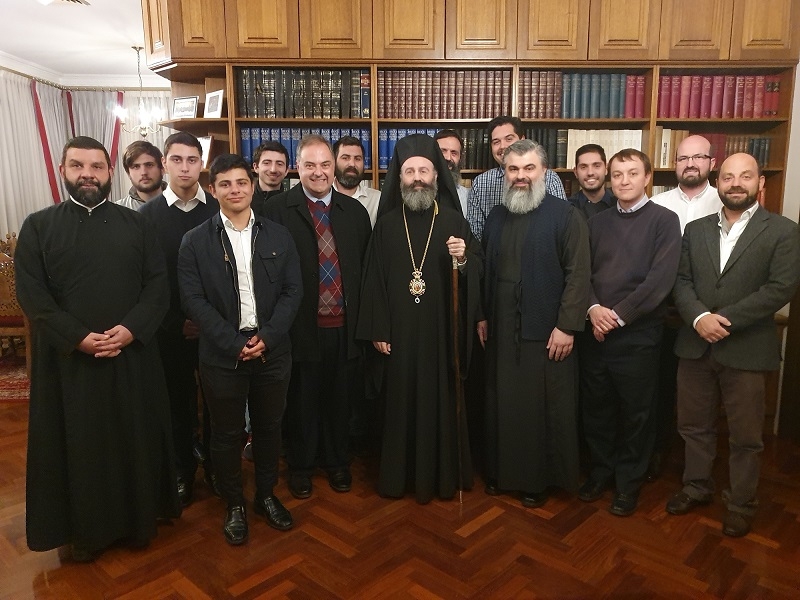
The Library

The library was established with the opening of St Andrew's in... see more
Subscribe to our Blog!
Subscribe to our blog written by our Faculty and learn more about your Orthodox Christian faith
Connect With Us
|
|
|
|
Join Our |


.png)
Copyright © 2019 St Andrew's Greek Orthodox Theological College.
All Rights Reserved. | Website Terms & Conditions