- Home
- About us
- Students
- Courses
- Research
- Library
- News & Events
- Gallery
- Contact
- Our Blog
Latest News

Divine Providence and Free Will in Gregory of Nyssa and his Theological Milieu, Bronwen Neil
Abstract: The Greek fathers of the fourth and fifth centuries developed a rich tradition of Christian teaching on the subject of divine providence. Gregory of Nyssa in particular made a major contribution to later Byzantine thought on questions of providence in his works. I examine Gregory's discussion of this theme together with those of fate, the origin of evil, human free will, and the role of their interplay in determining individual human destinies. Gregory's contribution is contrasted with that of three Fathers of a similar period - Serapion of Thmuis, Leo the Great, and Theodoret of Cyrrhus. A close connection between the thinking of Serapion and Gregory of Nyssa, both strongly influenced by Origen, will be demonstrated.
Bio: Dr Bronwen Neil is Senior Lecturer in Ecclesiastical Latin at Australian Catholic University, and a member of the Centre for Early Christian Studies. She is the co-ordinator of three books on Maximus the Confessor with Pauline Allen, and the author of Seventh-Century Popes and Martyrs: The Political Hagiography of Anastasius Bibliothecarius, Studia Antiqua Australiensia 2 (Turnhout 2006), and Leo the Great (2009). She is currently editing the Brill Handbook on Gregory the Great and writing a volume with Pauline Allen on Crisis Management in Late Antiquity: The Evidence of Episcopal Letters.

Enrolments Now Open!
.jpg)
Study at St Andrew's

Subject Areas on Offer
Gallery
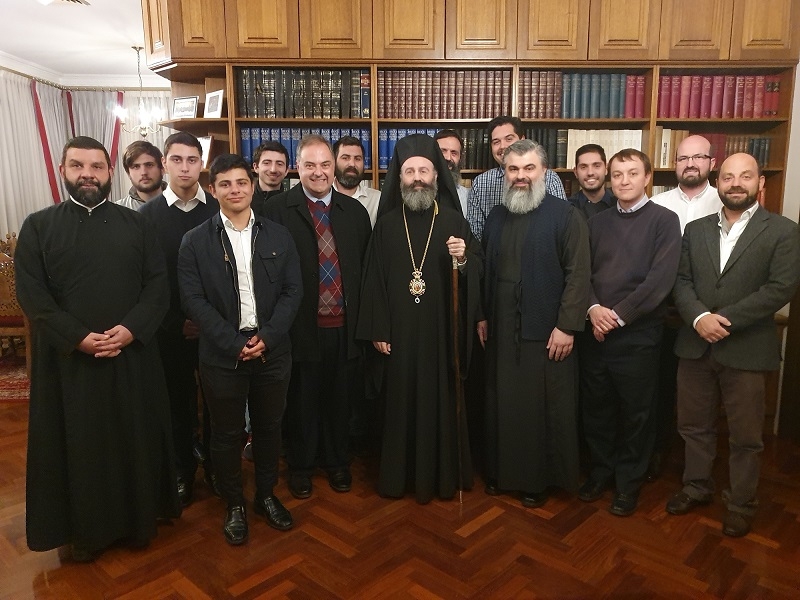
The Library
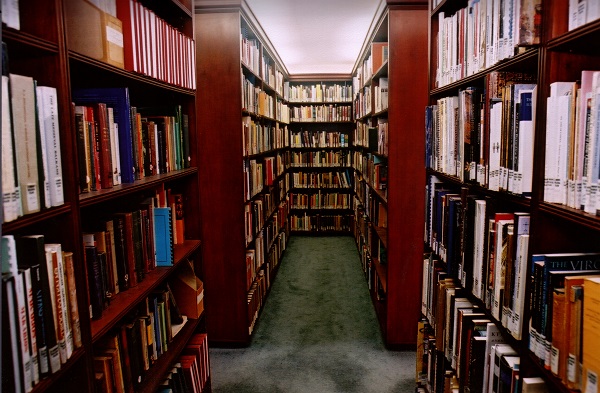
The library was established with the opening of St Andrew's in... see more
Useful links
Subscribe to our Blog!
Subscribe to our blog written by our Faculty and learn more about your Orthodox Christian faith
Connect With Us
|
|
|
|
Join Our |


.png)
Copyright © 2019 St Andrew's Greek Orthodox Theological College.
All Rights Reserved. | Website Terms & Conditions